Former Savannah River Site Workers in South Carolina
Thousands of former atomic and Savannah River Site workers living in South Carolina suffer from illnesses due to their workplace exposure to radioactive and toxic substances.
Nuclear Care Partners delivers customized, no-cost, in-home health care to former Department of Energy and Atomic Workers impacted by workplace exposure, so they can live healthier, more independent lives at home. We integrate expert clinical care, innovative health programs, and relentless benefits advocacy all under one roof, empowering atomic heroes to access and maximize their care and compensation benefits under the EEOICPA program.
We host a variety of educational and social events.
Meet other former workers, explore helpful resources and get answers to your EEOICPA questions.
There are no events in this state at this time.
Connect With Your Local Benefits Specialists
We can help you determine your EEOICPA benefits eligibility and connect you with resources to help you access and maximize your compensation and medical benefits.
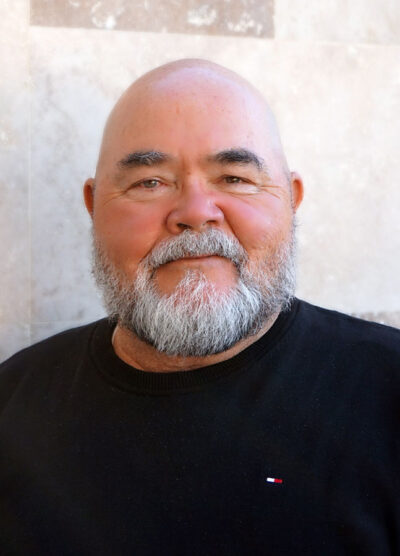
Trey Nuckols
Local Benefits Specialist
John Wall
DOE Worker & DOL Benefit Assistance
Locations
For over a decade, we’ve helped former atomic workers, including former Savannah River Site workers, get connected with and maximize their EEOICPA benefits and receive the quality care services they deserve. We know the EEOICPA inside and out and can help you wherever you’re at in your journey with your benefits!
More than 600,000 former atomic workers across the United States may qualify for up to $400,000 in financial compensation, plus no cost medical benefits for life through the Department of Labor’s EEOICPA.
Savannah River Site
Aiken, South Carolina/Savannah River (bordering the state of Georgia) 1953 – 1972
Located near Aiken, South Carolina on the Savannah River which borders South Carolina and Georgia, the Savannah River Site (SRS) spans 198,046 acres. This expansive site holds great historical significance and played a crucial role in the nation’s nuclear weapons complex from its inception in the early 1950s until the end of the Cold War.
During the 1950s, SRS produced chemicals and elements used in the manufacturing of nuclear weapons, specifically tritium and plutonium. The site had five reactors and several chemical separation facilities helping with production. These additional worksites were built over a span of 310 miles, bordering both South Carolina and Georgia. A large number of former SRS worksite employees who could have been potentially exposed reside on the Georgia side of the Savannah River.
Today, the Savannah River Site processes and stores nuclear materials in support of national defense and the United States’ nuclear nonproliferation efforts. The site also develops and deploys technologies that focus on improving the environment and treating nuclear and hazardous wastes left from the Cold War.
With over 70 years of service to our nation, the Savannah River Site’s legacy will live on in its modern missions in scientific and technological innovation, nonproliferation, environmental cleanup and more.