Looking Back on 15 Years of Care for Former Atomic Workers
For many former atomic workers, healthcare isn’t simple.
The effects of long-term exposure to toxic chemicals don’t always follow a clear path, and the healthcare system that should support them can be difficult to navigate.
That reality is what makes our mission so important.
For 15 years, Nuclear Care Partners’ focus has remained steady: Provide clinically-advanced, compassionate care to the people who served our nation and help them live as independently as possible.
How Our Story Began
Nuclear Care Partners was founded in 2011 by two nurses who saw firsthand how often former atomic workers were left to manage complex health needs without the right level of support.
Care was often fragmented and difficult to manage. Guidance around federal benefits could be complicated and hard to understand. Too often, patients and their families were left to figure things out on their own.
Our goal was simple: Build a model of care that actually works for the people it’s meant to serve.
Today, we’re one of the nation’s largest and most trusted in-home care providers for former atomic workers – delivering exceptional, evidence-based care grounded in kindness, respect, and relentless advocacy.
Creating a Better Model of Care
Traditional home health models are often designed to meet the needs of many, not for the unique, exposure-related conditions many atomic workers face. Care and benefits guidance are often handled separately, creating gaps that directly impact patient outcomes.
Nuclear Care Partners was created to close those gaps.
When clinical care, EEOICPA, and RECA benefits advocacy work together with one coordinated partner, patients not only receive the care they deserve, but also the guidance required to access and maintain it.
This integrated approach changes the experience in a meaningful way. It reduces confusion. It removes delays. And it improves consistency and quality of care for better stability, peace of mind, and well-being.
What That Model Looks Like in Practice
Over time, this mission of ours has taken shape in ways that are both practical and deeply personal.
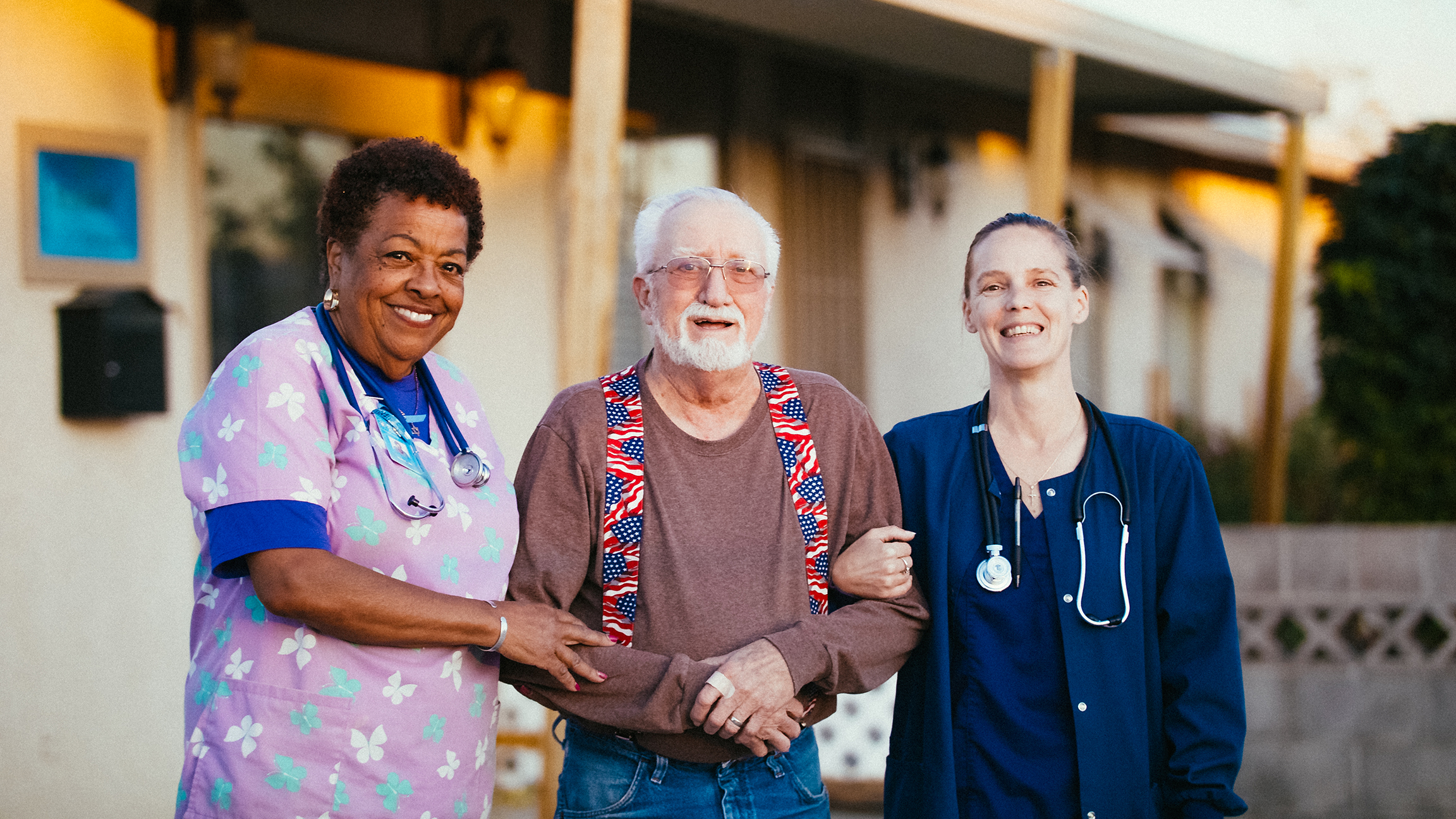
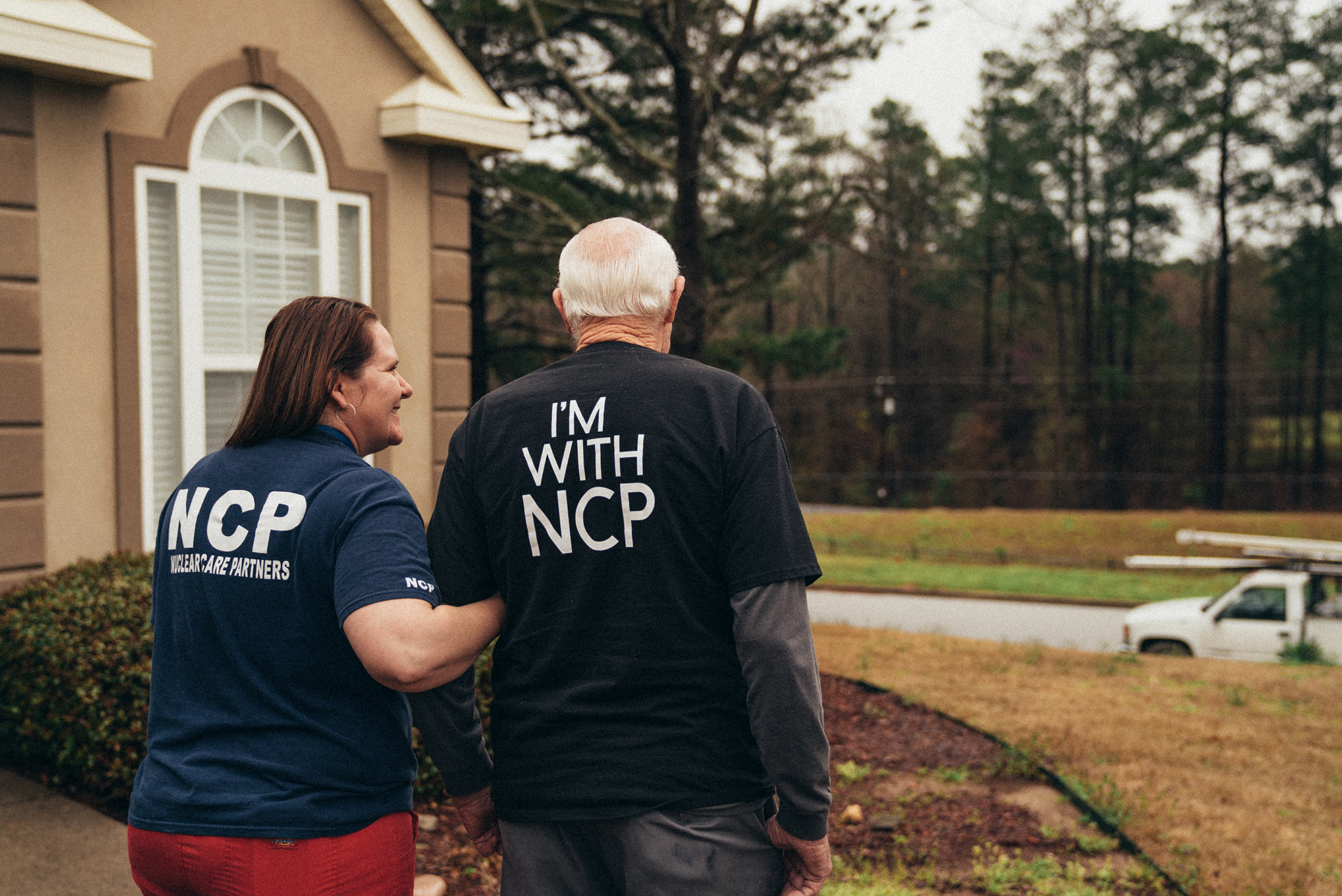
Care is centered in the home where patients are most comfortable – where they can stay close with family and friends, enjoy daily activities, and be part of their community. We build genuine relationships along with personalized plans that respect the individual and meet their needs.
For Robert, a former Hanford worker, this approach shows up in a partnership that keeps him both healthy and active: “My nurse has not only saved my life at least twice,” he shares, “but I really love the camaraderie, laughter, and fun we have during these visits.”
It’s not about pulling someone into a system. It’s about building care around how the patient already lives.
That same approach extends to the people around them.
Caregivers aren’t treated as an afterthought. Their role is essential. So, they’re supported, informed, and included in every step of the patient’s health and benefits journey.
Nuclear Care Partners also works closely with physicians and medical teams to ensure alignment across every aspect of care.
Just as important, our model is not one-size-fits-all.
Each patient is supported through a structured, comprehensive plan that reflects their needs today and can adapt as those needs change:
- Independence Care offers proactive support for patients who are stable
- Stability Care provides skilled, responsive care as conditions evolve
- Quality of Life Care delivers advanced clinical care while helping patients age in place
- Total Support Care ensures around-the-clock care – at home – when needed
These plans can help slow the progression of health conditions caused by toxic workplace conditions, reduce hospitalizations, and improve independence.
Ultimately, it’s about honoring the person behind the diagnosis. As Larry, a former Uranium Miner, explains, “I’ve got a life that I can still live, and I want a quality of life —they give me that.”
How We’re Expanding Care Today
As Nuclear Care Partners has grown, the care we provide has evolved to meet more complex needs.
Condition-specific programs like Care+ Kidney and Care+ Lungs provide focused support for some of the most common health challenges former atomic workers face, like COPD, pneumoconiosis, and chronic kidney disease.
These programs integrate directly into existing care plans, adding another layer of clinical precision while still protecting the well-being of the patient.
This same commitment to innovative care is reflected in our partnerships.
Through collaboration with organizations like the National Kidney Foundation, Nuclear Care Partners is bringing greater awareness to the health conditions former atomic workers face and improving access to specialized care in the home.
These efforts are not about expanding services for the sake of growth. They’re about responding to real needs with care that is more informed, coordinated, and effective.
Looking Ahead: Continuing to Raise the Standard of Care
Fifteen years in, our focus hasn’t changed. We remain firmly committed to improving the lives of former atomic workers.
More and more patients are getting access to the benefits they’ve earned and receiving better care at home – at no additional cost with EEOICPA eligibility.
But our work has never been about reaching a milestone or hitting a number.
It’s about continuing to show up in meaningful ways for patients, their caregivers, and their families. It’s about doing what’s right, even when no one’s looking, and continuing to develop solutions that raise the standard of care.
If you are a former atomic worker with questions about your EEOICPA benefits, RECA benefits, or care plan, please reach out to us. We’d love to speak with you.