Why the Right Provider Matters for Atomic Workers
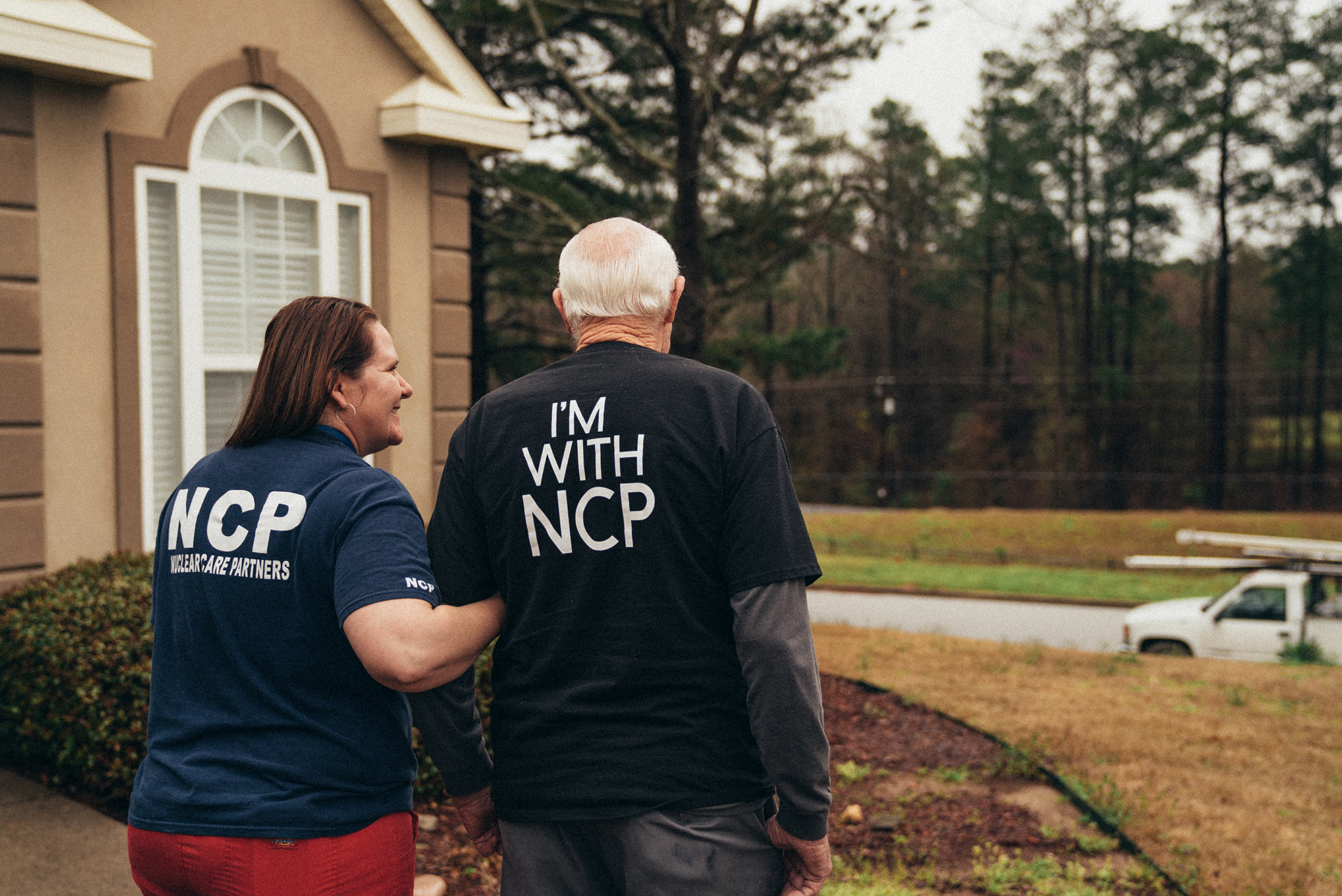
For many former atomic workers, accepting home care can feel like giving up independence. But the right care is designed to help protect it.
Your White Card gives you access to important medical benefits, but not all home care is the same. The provider you choose can impact your health, quality of life, independence, and long-term EEOICPA benefits.
At Nuclear Care Partners, we believe your White Card should do more than respond to changes in health. It should help you stay ahead of them. Here’s what that means for former atomic workers using their White Card benefits.
At a Glance: How Nuclear Care Partners Secures White Card Benefits
- Access vs. Outcomes: A White Card opens the door, but clinically excellent care is what helps you thrive at home.
- Intentional Care Models: A customized continuum of care models designed to evolve with your health conditions.
- Relentless Advocacy: Care and advocacy are integrated by design, supporting your health and protecting your benefits over time.
- Holistic Support: Including specialized Care+ programs for chronic conditions, care coordination with your healthcare team, up to 24/7 in-home nursing, proactive symptom monitoring, nutritional support, and more.
What the White Card Makes Possible
The Department of Labor White Card provides no-cost medical benefits for approved conditions under the Energy Employees Occupational Illness Compensation Program Act, or EEOICPA.
Depending on your approved condition and care needs, benefits may include:
- Skilled in-home nursing
- Doctor visits and medical treatment
- Prescription medications
- Durable medical equipment
- Home modifications
- Transportation
- Family caregiver compensation
These benefits are significant. But access alone does not always guarantee the right care.
To make the most of your White Card, you need a provider that understands the unique health needs of former atomic workers and knows how to align care, documentation, and benefits support over time.
Why One-Size-Fits-All Care Falls Short
Many people think of home care as something you turn to only after a serious health decline. Others worry it means giving up privacy, routines, or control.
But the right home care can actually help preserve independence longer.
For former atomic workers, this matters because many exposure-related illnesses do not change all at once. Symptoms may progress gradually. Breathing can become harder. Fatigue may increase. Medications can become more complicated. Mobility or safety concerns may develop over time.
These changes may not always lead to an immediate hospital visit, but they can still affect long-term health and quality of life.
Traditional home care is not always built around this reality. Services can be generic, reactive, or slow to adjust as needs change. That can leave patients and families wondering:
- Is this level of support still enough?
- Should care be changing?
- Who is monitoring the bigger picture?
- Are we doing everything possible to protect long-term health and benefits?
For patients with complex occupational illnesses, care should not be static. It should evolve.
Care Should Evolve as Your Health Changes
At Nuclear Care Partners, care is built around where you are today and how your needs may change over time.
Some patients may only need light clinical oversight, medication support, or help staying ahead of symptoms. Others may need more advanced skilled nursing, condition-specific support, or around-the-clock care delivered safely at home.
Our continuum of Care Models is customized to deliver the right level of support at the right time. They include:
- Independence Care (1–4 hours/week): Focuses on prevention — reducing risk, avoiding complications, and preserving your independence.
- Stability Care (4–12 hours/week): Introduces consistent clinical oversight to stabilize symptoms and maintain your daily routine.
- Quality of Life Care (12+ hours/week): Brings more advanced, hands-on support into the home as conditions become more complex.
- Total Support Care (24/7): Provides continuous, hospital-level care for those with the highest medical needs. Ensures comfort, safety, and dignity at home.
This approach allows care to grow with the patient. It also gives families confidence knowing there is already a clinical team in place that understands the patient’s history, conditions, medications, care team, and long-term risks.
Starting the Right Care Earlier Can Help Protect Independence
One of the biggest misconceptions about home care is that it only becomes valuable when someone is already seriously ill.
In reality, earlier support can often help patients stay ahead of changes before they become larger setbacks.
Proactive skilled nursing can help identify medication issues, changes in breathing, swelling, mobility, cognition, or other symptoms before they lead to complications. Regular monitoring can also support better chronic condition management and help patients remain safely at home longer.
For former atomic workers living with conditions such as COPD, chronic beryllium disease, kidney disease, radiation-related cancers, or cardiovascular complications, that oversight can be critical.
The right care can help:
- Reduce avoidable hospitalizations
- Support better symptom management
- Improve medication adherence
- Increase safety at home
- Reduce caregiver stress
- Preserve independence longer
Our proactive, dynamic approach to care is the difference between taking control of your health and being controlled by your health.
This Is the Care Your White Card Was Meant For
Your White Card is more than a benefit card. It is access to care, protection, and support designed to help you live safely and independently at home.
But maximizing those benefits requires more than eligibility alone.
It requires a provider who understands atomic workers, recognizes how conditions evolve, and delivers care intentionally.
At Nuclear Care Partners, we believe care should strengthen independence, not replace it. We believe patients deserve care that adapts as their health changes, combines clinical expertise with benefits advocacy, and helps protect quality of life today and long-term health for the future.
This is the care your White Card was meant for.
Frequently Asked Questions
What should I do immediately after my EEOICPA claim is approved?
The first step is to schedule a benefits review with a trusted provider. Nuclear Care Partners can help you understand your benefits and determine which care model you qualify for.
Can I choose which provider delivers my in-home care?
Yes. You have the right to choose your provider. Many workers switch to Nuclear Care Partners because they want outcomes-focused care designed specifically for the unique health conditions faced by atomic workers.
How do I add a new condition to my White Card?
Our Claims Support team will guide you through the process and paperwork associated with adding consequential illnesses to your White Card, ensuring you receive the maximum care and compensation benefits you deserve.
What conditions are covered under EEOICPA?
EEOICPA covers many conditions caused by toxic workplace exposure, including cancers, beryllium disease, kidney disease, respiratory diseases, and occupational illnesses. Our clinicians specialize in managing these complex conditions with tailored in-home care and specialized programs like Care+ Kidney and Care+ Lungs.
What medical benefits are covered under EEOICPA?
If approved, your White Card provides no-cost medical care for your approved illness(es). Benefits may include skilled in-home nursing care, doctor visits, prescription drugs, medical equipment, transportation, home modifications and more.
Can I switch from my current provider to Nuclear Care Partners?
If you already have a White Card, you can choose to transfer your care to Nuclear Care Partners at any time – switching providers is a routine administrative update and does not trigger a review of your medical eligibility. We’ll handle the transition quickly and seamlessly so you can focus on your health, not more paperwork.
I am a caregiver. Am I entitled to benefits?
Eligible caregivers, including spouses, children, friends, or a trusted support person, may receive compensation for approved in-home personal care.
Does Nuclear Care Partners hire family caregivers?
Yes. While many home care providers hire family caregivers as independent contractors — often leaving them without support, guidance, or job security — Nuclear Care Partners is different. We hire caregivers as W-2 employees because we believe those caring for atomic heroes deserve protection, stability, and a team that stands behind them every step of the way.